
Ultimate Guide To Leading Products For Concrete Restoration
Learn about the essential tools and materials that make concrete repairs easier, faster, and more durable.
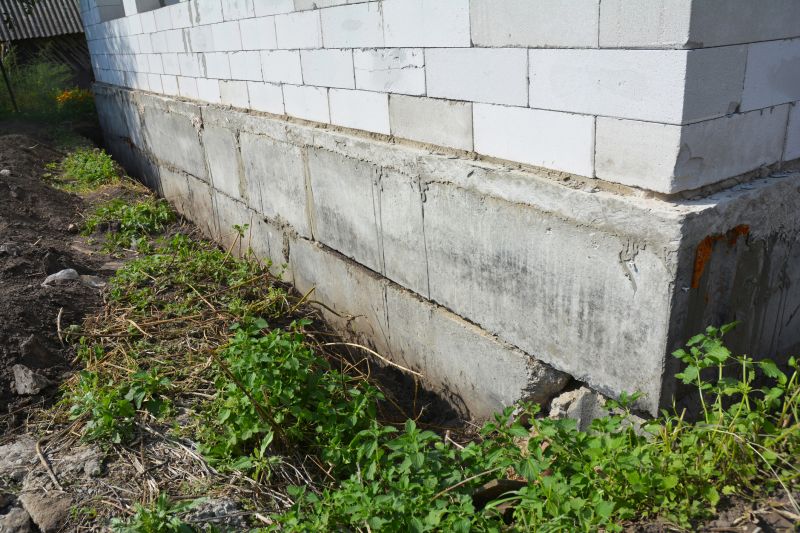 Concrete repairs are essential for maintaining the integrity and appearance of various structures, from residential driveways to commercial foundations. When addressing cracks, surface spalls, or deeper structural issues, selecting the right repair products is crucial for achieving durable and effective results. There are numerous options available, including patching compounds, sealants, epoxy resins, and surface coatings, each suited to different types of damage and repair needs. Proper preparation and application are key factors that influence the longevity of the repair work.
Top Overall Option
Concrete Repair Patch Kit
A versatile concrete repair patch kit typically includes a pre-mixed compound designed for quick application on cracks, holes, and surface spalls. These kits often feature easy-to-use formulas that require minimal mixing and are suitable for both indoor and outdoor repairs. They are ideal for DIY projects and small to medium repairs, providing a durable surface that adheres well to existing concrete. When selecting a patch kit, consider its compatibility with different concrete types and the curing time to ensure a lasting fix.
Types of Products For Concrete Repairs
Concrete Crack Sealants
Flexible sealants designed to fill and seal cracks, preventing water infiltration and further damage. Suitable for minor cracks and surface imperfections.
Epoxy Injection Kits
High-strength epoxy resins used to restore structural integrity in wider cracks and damaged areas. Ideal for load-bearing repairs.
Polyurethane Foam Sealants
Expandable sealants that fill larger cracks and gaps, offering flexibility and water resistance.
Concrete Patching Compounds
Ready-mixed or dry mix compounds designed for filling larger holes and surface spalls, providing a smooth finish.
Surface Coatings and Sealers
Protective coatings that enhance appearance and resist water, chemicals, and wear on repaired surfaces.
Hydraulic Cement
Fast-setting cement used to stop active leaks and repair cracks that are exposed to water pressure.
Concrete Overlays
Thin layers of repair material applied over existing concrete to improve surface appearance and durability.
Bonding Agents
Adhesives that improve the bond between old and new concrete during repairs.
Self-Leveling Compounds
Materials that create a smooth, level surface over uneven concrete slabs, often used prior to finishing coats.
Joint Fillers and Sealants
Products designed to fill expansion and control joints, preventing debris accumulation and water intrusion.
Rust Removers and Metal Treatments
Products to treat corroded reinforcement or embedded metal parts before applying concrete repairs.
Waterproofing Membranes
Liquid or sheet products that create a waterproof barrier on concrete surfaces to prevent water ingress.
Crack Filler Sticks
Portable sticks or cartridges for quick filling of small cracks and surface imperfections.
Polymer Modifiers
Additives that improve the flexibility, adhesion, and durability of repair compounds and overlays.
Repair Mortars
Specialized mortars designed for structural repairs, often used in load-bearing applications.
Popular Choices
Widely used for sealing minor cracks and preventing water infiltration, available in various formulations.
Commonly selected for structural crack repairs, offering high adhesion and strength.
Popular for filling larger cracks and joints with flexibility and water resistance.
Frequently used for repairing surface spalls and holes, providing a durable finish.
Chosen for protecting repaired surfaces from moisture and wear, enhancing longevity.
Often used for active leak repairs and quick fixes in damp environments.
Popular for resurfacing and restoring the appearance of worn or damaged concrete.
Commonly applied to ensure strong adhesion between old and new concrete layers.
Often used to create smooth, even surfaces prior to finishing or coating.
Popular for maintaining expansion joints and preventing debris buildup.
Selected for waterproofing foundations and basement slabs.
Frequently used to treat corrosion on embedded metal reinforcements.
Commonly chosen for structural repairs requiring high strength and durability.
Understanding the specific nature of the damage can help guide the selection process. For surface cracks and minor spalls, ready-mixed patching compounds and surface sealers can provide a quick fix. For more extensive or structural issues, epoxy resins and injection kits are often used to restore strength and stability. Additionally, surface coatings and overlays can be applied to improve appearance and protect against future deterioration. It is important to consider the compatibility of products with existing concrete and the environmental conditions of the repair site.
Effective concrete repair not only restores the surface but also helps prevent further damage caused by water infiltration, freeze-thaw cycles, or shifting ground. Proper surface preparation, such as cleaning and removing loose materials, enhances adhesion and overall performance of repair products. When selecting products, users should also evaluate ease of application, curing time, and whether the product is suitable for indoor or outdoor use. With the right tools and materials, even complex repairs can be managed successfully, extending the lifespan of concrete structures in Saint Charles, IL, and beyond.
Key Buying Considerations
- Identify the type and extent of damage to select the appropriate product.
- Consider whether the repair is structural or superficial for proper material choice.
- Check compatibility of repair products with existing concrete surfaces.
- Assess environmental conditions such as moisture, temperature, and exposure to elements.
- Determine the curing time and whether it fits your project timeline.
- Evaluate ease of application, especially if DIY installation is intended.
- Select products suitable for indoor or outdoor use based on location.
- Ensure the product's adhesion properties match the repair surface and type.
- Review the product's flexibility if the repaired area is subject to movement.
- Consider the long-term durability and resistance to water, chemicals, or freeze-thaw cycles.
- Look for products that provide a smooth finish or are compatible with surface coatings.
- Verify safety instructions and whether protective gear is needed during application.
- Determine if additional tools or prep work are required for proper application.
- Check for product warranties or manufacturer recommendations for best results.
- Consider cost-effectiveness in relation to the repair scope and longevity.